
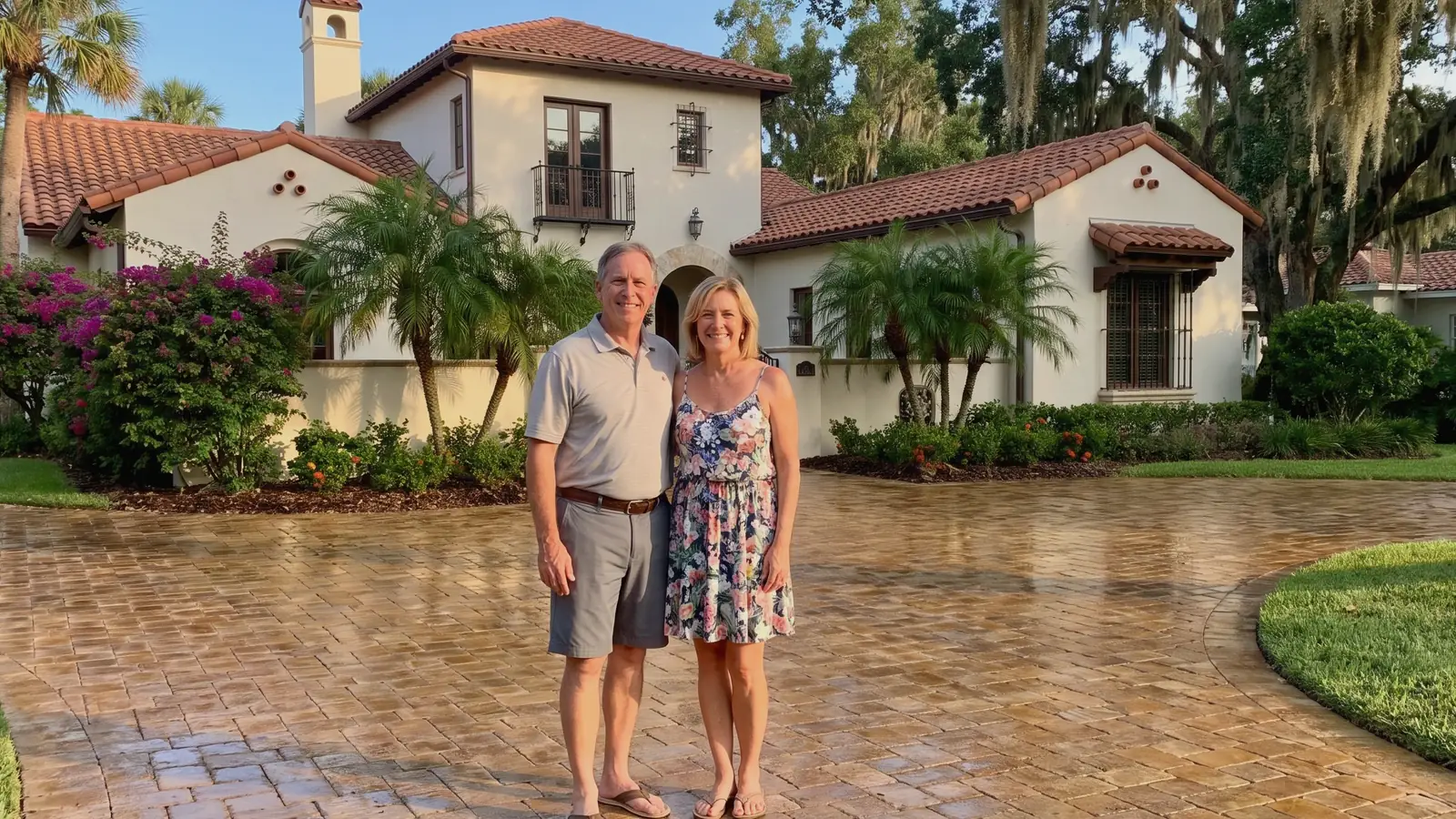
Paver sealing for Downtown Sarasota homes
Paver Sealing in Downtown Sarasota, FL
Between Main Street and Burns Square, Downtown Sarasota owners can call (941) 207-3213 for a free paver sealing estimate.
- Brings out deeper paver color
- Fresh joint sand helps lock pavers in place
- Gives weeds less room to grow
- Makes the surface easier to keep clean
- Free estimate, no obligation
Request a Free Estimate
Free, no obligation.
Fast, careful paver sealing in Downtown Sarasota
Paver sealing is available in Downtown Sarasota, from the courtyards off Main Street to the cottage lots around Burns Square. A local contractor washes, re-sands and seals walkways, courtyards and driveways, and the estimate is free. Your request gets a reply within 1 business day, usually much sooner, so ask for a free estimate.
Picture a small courtyard where the pavers have gone dark in the shade and the joints have lost their sand. After a wash, fresh sand and an even coat, it looks tidy enough to host dinner. Prefer to talk first? Call (941) 207-3213 and describe the space.
Downtown Sarasota holds a 19-acre historic district with 51 buildings between the bay and the rest of the city. Small paver areas here are seen up close and in daylight. To have yours looked at, ask for a free estimate.
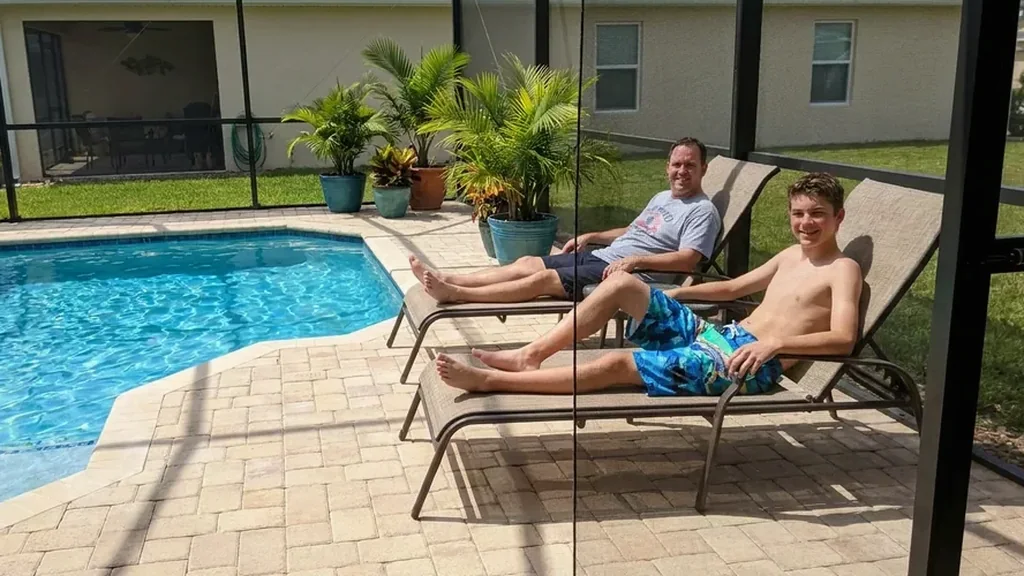
Why hire a local paver sealing contractor in Downtown Sarasota?
Downtown Sarasota owners often hire a local contractor because tight courtyards, old walls and bay humidity leave little room for error. To hear how that applies to your property, call (941) 207-3213.
See it in person first
The contractor looks over your Downtown Sarasota courtyard or entry before quoting, so you know the number up front.
A price band to test
Sealing runs $1.50 to $3.00 per square foot in this region. Hold any Downtown Sarasota quote to that band.
Finish for the setting
Matte sits calmly beside old brick, while a wet look deepens color and shows scuffs sooner.
Your property, your decision
You choose the day and the finish, and you can decline. The estimate carries no obligation.
Get Your Free Estimate in Downtown Sarasota
Tell us about your pavers in Downtown Sarasota.
Free, no obligation
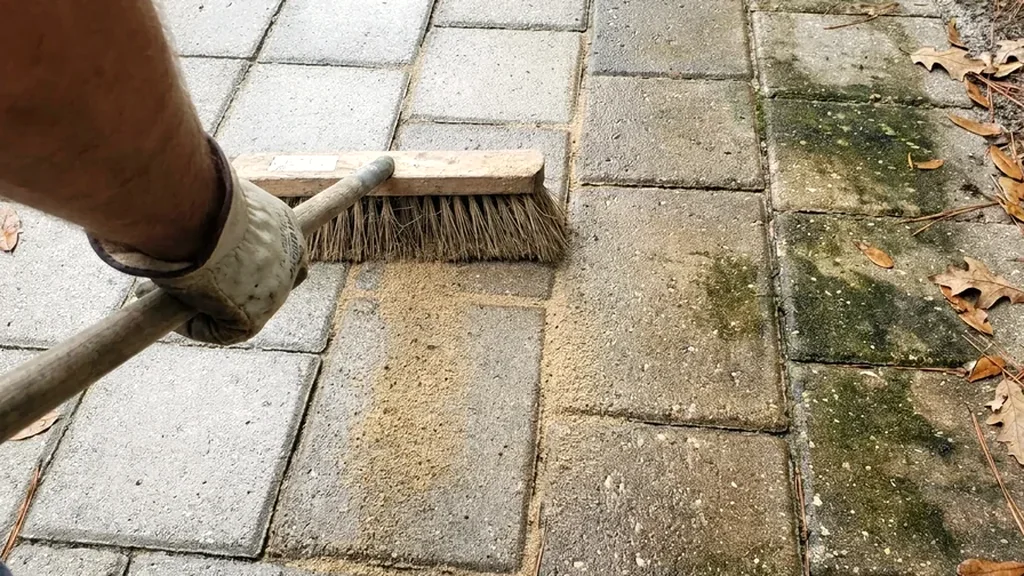
What paver problems show up most in Downtown Sarasota?
Humid bay air on every surface
Downtown Sarasota sits at about 20 feet of elevation beside Sarasota Bay. A Sarasota County paver company says Florida's UV, humidity and salt air are hard on sealer. Courtyards here take sun and sticky air together. Sealer holds best on a clean, dry surface, so washing and a dry spell come before the coat. A clear, dry morning between storms is when sealing goes best. Rain in the rainy season can fall most afternoons, so the contractor plans the day early. In a walled courtyard, air moves slowly and the surface can stay damp longer. A damp courtyard floor in the morning is a clue that the surface is slow to dry.
Shade from banyans and live oaks
Selby Gardens keeps banyans, live oaks and palms on its 15 acres, and older Downtown Sarasota lots often hold tall trees too. Algae tends to appear where shade is heavy and the pavers stay damp. A courtyard under a canopy goes dark, while the sunny walk beside it stays clean. Leaves and seed pods from big trees sit in the joints and keep them damp. Mention any tree that drops sap or fruit, since that changes the cleaning plan. Shade is lovely on a hot day but keeps a courtyard slow to dry. Selby Gardens also grows bamboo and mangroves, a reminder of how lush the area gets.
Courtyards that hold water
A small walled space drains slowly, and a low spot can collect a puddle after every storm. The same Sarasota County company says standing water is where sealer fails first and algae takes hold. A contractor should look at where the water goes before quoting a coat. Ask what the plan is for a slow-draining spot before you agree to a price. A damp low corner can need extra dry time between the wash and the first coat. Ask where the downspouts empty, since roof runoff often lands on pavers.
Old walls and masonry at the edges
The historic district holds 51 buildings, and Main Street shops sit in restored brick. Pavers next to old masonry may need careful rinsing and masking. Overspray on a century-old wall is hard to undo. Ask how the contractor plans to protect the building. Ask for drop cloths on walls and covers on plants before the wash begins. Restored brick on Main Street shows how much older masonry is part of the setting. A plastic sheet and tape go a long way on a stucco or brick wall.
Brick, concrete and stone on one lot
Downtown courtyards can mix brick pavers, concrete pavers and natural stone. Each takes sealer differently, and older work may carry a coat nobody remembers. Water-based sealer cannot go over solvent-based sealer, and peeling or whitish sealer must come off first. A mismatched patch of old coat can show as a blotchy shine even after a good wash. A test patch in a corner shows the result before the whole space is done.
Is paver sealing different in Burns Square than on Main Street or in Gillespie Park?
Yes, because each area has its own scale and age. Burns Square began in 1925 when Owen Burns developed Burns Court from plans by Thomas Reed Martin, and its small cottage lots mean small paver areas. Entry paths and patios here are tight and shaded. Tell the contractor your address when you ask for a free estimate.
Main Street is a shopping corridor of independent boutiques in restored brick buildings, and Palm Avenue is Gallery Row. Pavers in front of shops and homes here get constant foot traffic. A clean, matte finish keeps the look quiet beside the brick. To plan a visit, call (941) 207-3213.
Gillespie Park lies across the street from downtown, a half-mile-square area of old cottages and duplexes. Seventh Street between Orange and Goodrich is known for brightly colored 1920s cottages. A fresh paver walk can match that spirit without fighting it. If yours needs help, ask for a free estimate.
Marie Selby Botanical Gardens sits at 900 South Palm Avenue, with banyans and live oaks across its 15 acres. Properties near big tropical trees can see more dropped leaves and more shade. Tell the contractor if a large tree overhangs your pavers when you ask for a free estimate.
What does paver sealing cost in Downtown Sarasota?
What counts as an average sealing quote depends on area, and companies commonly publish $1.50 to $3.00 per square foot to clean, sand and seal. A small Downtown Sarasota courtyard totals less than a long drive and a pool deck. To price your own space, ask for a free estimate.
Access can matter more here than elsewhere. A courtyard behind a gate or through a house means gear is carried by hand. Masking nearby walls takes time. To learn which factors apply to your space, call (941) 207-3213 before any work starts.
| Paved area | Typical example | Clean, sand and seal |
|---|---|---|
| 300 sq ft | Small patio or walkway | $450 to $900 |
| 600 sq ft | Two car driveway | $900 to $1,800 |
| 1,000 sq ft | Large driveway or pool deck | $1,500 to $3,000 |
| 1,500 sq ft | Driveway plus pool deck | $2,250 to $4,500 |
Math based on the $1.50 to $3.00 per square foot that Southwest Florida paver companies publish. Your contractor sets the actual price after seeing the surface. Repairs, leveling and stripping failed sealer are usually extra.
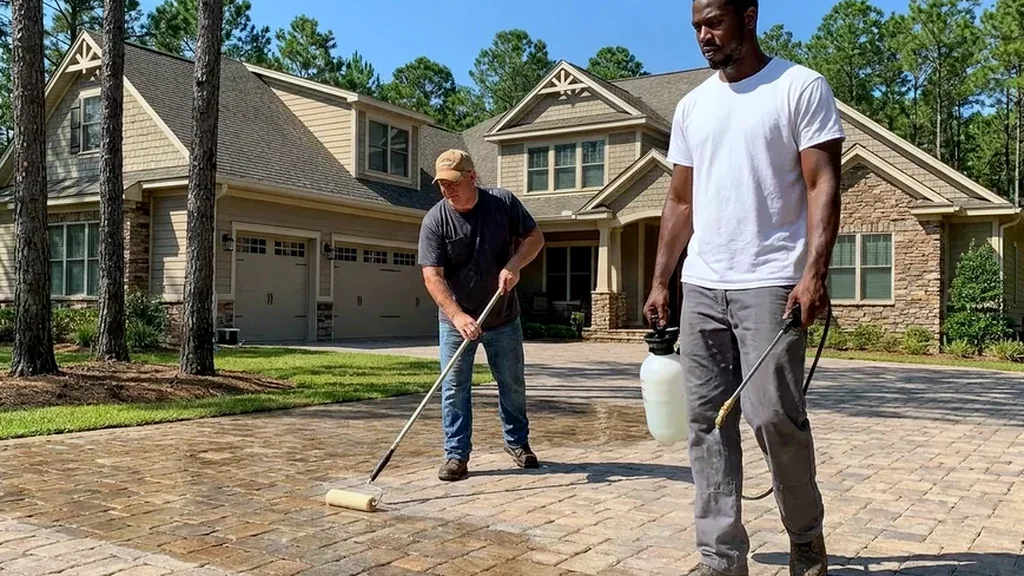
How does a paver sealing job work in Downtown Sarasota?
Survey the space and the old coat
The contractor looks at where water leaves your Downtown Sarasota pavers, where shade sits and if you have brick, concrete or stone. A small test patch reveals if an old coat is water-based or solvent-based. Anything peeling or whitish has to come off before a new coat.
Mask the edges, then wash
Plants, walls and fixtures near the pavers are covered or rinsed with care. The wash clears algae, dirt and any mineral haze. It also removes joint sand, so new sand is planned for the next step.
Sand the joints and wait
Fresh sand fills each joint, and the surface is swept clear. The contractor then waits for a dry surface, which takes longer in a shaded courtyard. A clear forecast helps.
Coat it thin
Thin even coats go down, with the edges beside walls getting the most care. You choose matte or wet look before this begins. The contractor works back toward the exit so nobody is walled in by wet sealer.
Cure and take a last look
Foot traffic waits about a day and vehicles two to three, going by a Sarasota County company's guide. The contractor walks the finished space with you. Ask when furniture and planters can go back.
Complete paver services in Downtown Sarasota
On a courtyard the order stays the same but the pace is quick: wash, sand, dry, seal. Each step is short on a small space, yet none is skipped. Sealer goes last so no dirt hides under it. To learn how long your space would take, call (941) 207-3213.
Courtyards, entry walks, short drives and pool decks behind cottages are the usual surfaces here. Shaded courtyards darken first, and sunny drives fade first. Mention any wall that needs protecting when you ask for a free estimate, along with the surface you want done first.
Sealer comes down to base and finish. A coat that is already there limits the choice, so the contractor identifies it before picking a product. Matte stays quieter beside old walls, and a wet look deepens color. Ask for the brand when you ask for a free estimate.
Sealer needs a dry surface, and shaded courtyards dry slowly. The rainy season runs May 15 to October 15, so a clear morning with extra dry time is the goal. Call (941) 207-3213 to plan around your own calendar and the forecast, and ask how long the space must stay clear afterward.
Questions to ask before you hire
- Can you handle tannin stains from oak leaves and green algae near my pool cage?
- Will the written estimate name the sealer brand and the price per square foot?
- Is the sealer water based or solvent based, and why that one for my pavers?
- Will you cover my lanai furniture, plants and landscape lights before spraying?
- Will you measure the pavers with a wheel or tape, and tell me the square footage before the quote?
- Do you test a hidden corner first so I can see the finish before the whole driveway?
- Do you check for afternoon thunderstorms before you start the sealing step?
What do sealed pavers look like around Downtown Sarasota?
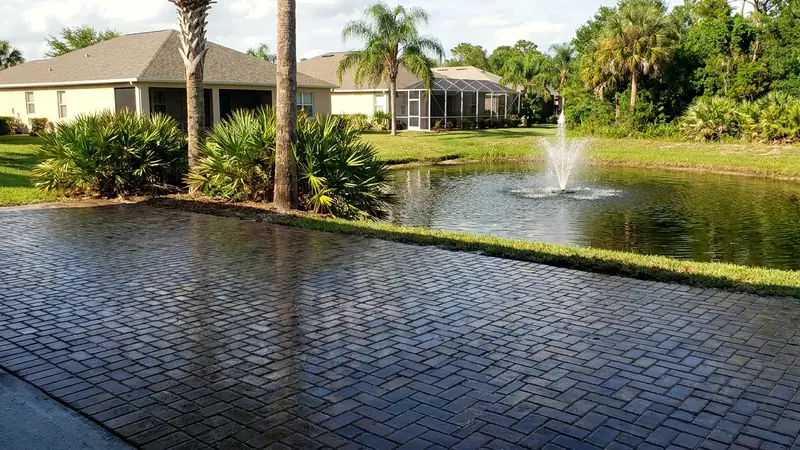
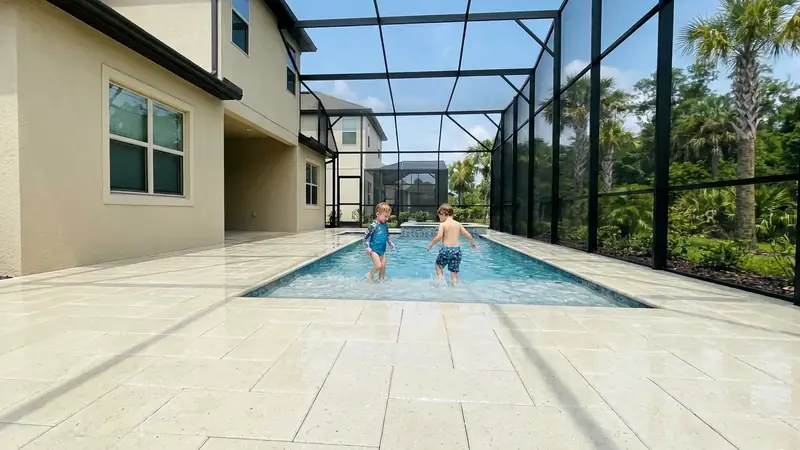
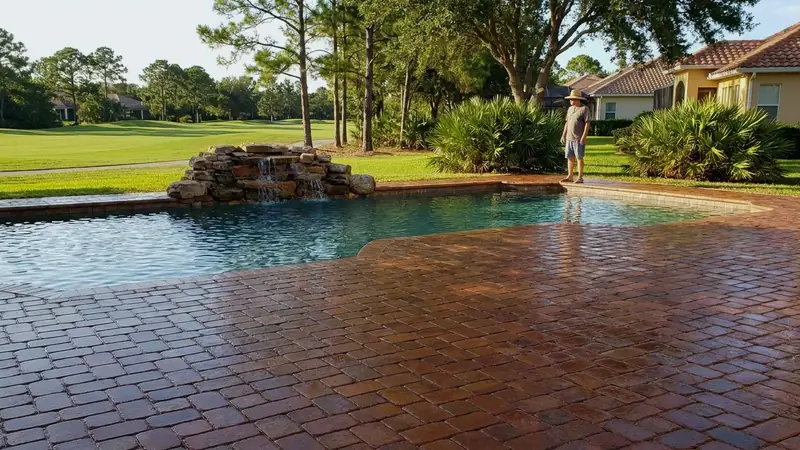
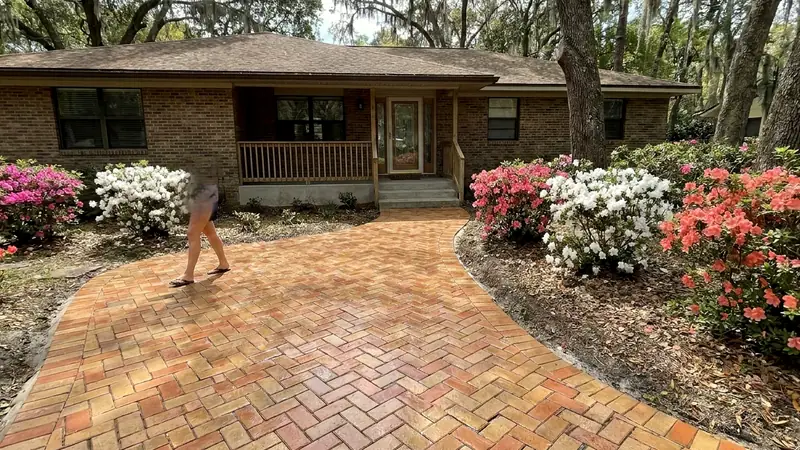
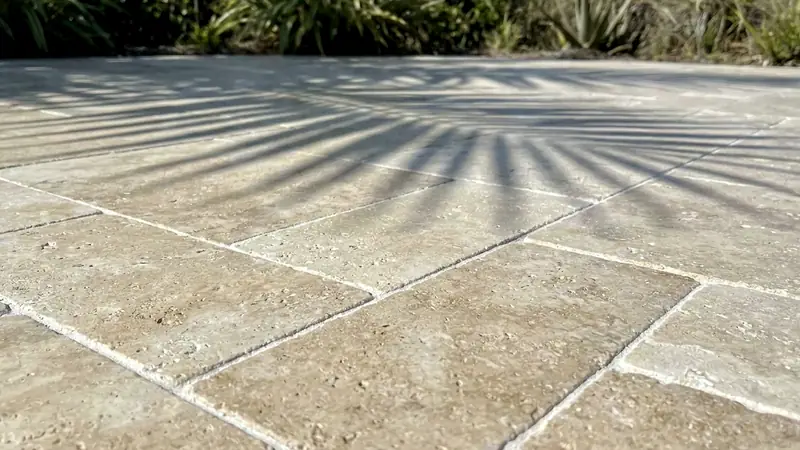
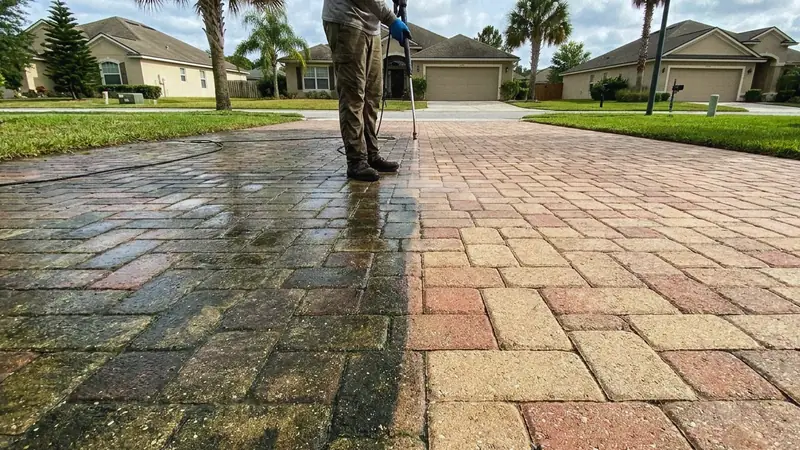
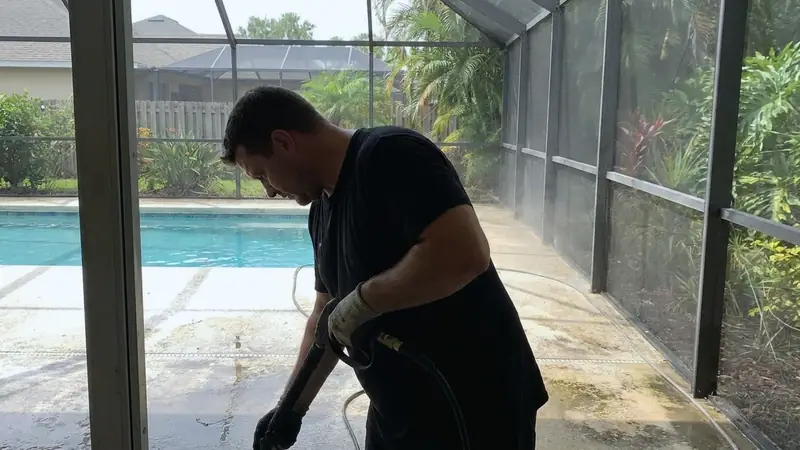
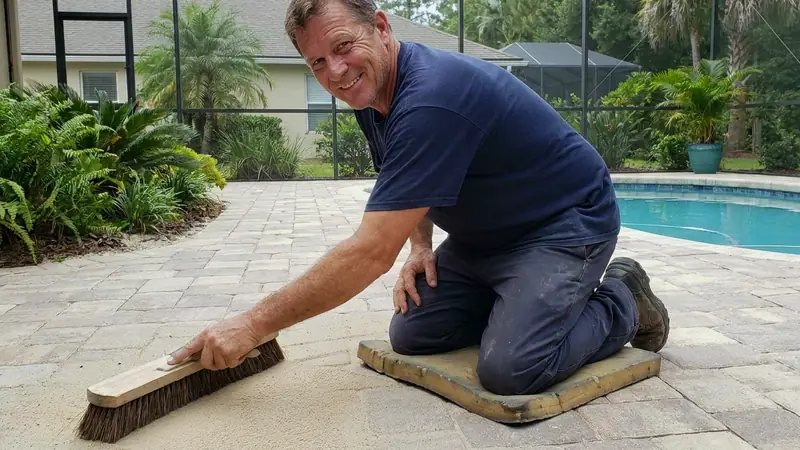
Why local matters in Downtown Sarasota
A contractor who works in Downtown Sarasota knows the setting. Burns Square dates to 1925, Main Street is lined with restored brick, and the historic district holds buildings from 1909 to 1959. That calls for careful masking and gentle washing. To reach someone who works around old walls, call (941) 207-3213.
Local work also covers the weather. The rainy season runs May 15 to October 15 and brings frequent storms. Courtyards dry slowly, so a Downtown Sarasota contractor plans extra dry time. You can ask for a free estimate and ask how a job would be timed around the forecast.
It also means knowing how owners use these spaces. Some courtyards serve a restaurant or gallery, and others sit behind a cottage. Foot traffic and furniture shape the finish and the schedule. Tell the contractor how the space gets used when you ask for a free estimate.
Local work also helps with arrival and parking. Downtown streets are compact, and several garages offer free parking. A contractor who works nearby can plan gear and timing without blocking a shop entrance. Ask about it when you ask for a free estimate.
What makes Downtown Sarasota different from the rest of Sarasota County?
Downtown Sarasota sits on the water, with Bayfront Park looking across Sarasota Bay. Marina Jack is on the waterfront, Station 400 is in a restored railroad depot, and Palm Avenue is Gallery Row. Marie Selby Botanical Gardens sits at 900 South Palm Avenue. If you live near these, ask for a free estimate.
Sarasota Bay lies between Tampa Bay and Charlotte Harbor, with three passes to the Gulf, and Sarasota has many buildings in the Italian style. The historic district was listed on the National Register in 2009. Call (941) 207-3213 to speak with a contractor about your property.
Gillespie Park, just across from downtown, has old cottages and concrete duplexes, and Seventh Street shows off its colorful 1920s cottages. The Burns Court cottages date to 1925. A contractor who knows these older lots tends to ask good questions. To start, ask for a free estimate.
Frequently Asked Questions
How often should you reseal pavers in Downtown Sarasota?
Expect two to five years between coats, which is what companies commonly quote. Per a Sarasota County company, a driveway holds 2 to 3 years and a covered patio 3 to 4. A shaded Downtown Sarasota courtyard can hold moisture, so check the surface each year. A dull look or open joints is your signal. Courtyards under trees may need a look sooner.
Is it better to spray or roll paver sealer in a Downtown Sarasota courtyard?
In a small space with walls close by, control matters more than speed. Rolling gives tight control near edges, and spraying covers open areas fast. Ask which the contractor plans for your courtyard and how nearby walls will be protected. Either way, the surface must be clean and dry first. Edges beside a wall are where a steady hand pays off. Ask what the contractor will use near plants and fixtures.
How much does it cost to seal pavers in Downtown Sarasota?
Jobs cost $1.50 to $3.00 per square foot, per a company serving Charlotte and Sarasota counties. That covers cleaning, sanding and sealing. A small courtyard costs less in total than a long drive and a pool deck. Ask for the measured area. The estimate is free, and it should state the square footage.
What are the downsides of sealing pavers in Downtown Sarasota?
Sealer needs redoing every few years, and a wet look shows scuffs sooner than matte. Sealing over damp pavers or leftover haze can leave a cloudy finish. A careful contractor explains each limit before the job starts. Ask for a test patch if you want to see the finish first. Resealing is the ongoing cost of keeping the surface protected. None of those are reasons to skip it, only reasons to plan.
What is the right sealer for pavers in Downtown Sarasota?
The answer turns on what the pavers carry today. Water-based sealer cannot go over solvent-based sealer, and old failed coats must be stripped. One Sarasota County company names Inseco Sealthane. Ask the contractor why the product fits your pavers. A test patch helps you judge color before you commit. Whichever product is chosen, it should go on a clean, dry surface.
What is the average cost to seal pavers in Downtown Sarasota, Florida?
Published quotes land between $1.50 and $3.00 per square foot. Your total depends on how many square feet you have and what shape they are in. Shade growth and old sealer add work. The estimate is free, so you can compare it. A courtyard behind a gate may add a line for hand carrying gear. Smaller jobs sometimes cost more per square foot than large ones, so ask how the quote is built.
Does bay air change how pavers should be sealed in Downtown Sarasota?
It adds a reason to wash well and seal on a dry day. A Sarasota County company says Florida's UV, humidity and salt air are hard on sealer. Ask the contractor how timing and coat count account for that. Fresh sand and a sealer that stabilizes it help the joints last between coats. Humidity also slows drying, which is why dry weather matters on sealing day. A walled courtyard dries slowly, so patience matters.
Can pavers beside a historic wall be sealed safely in Downtown Sarasota?
Yes, with care. Walls, plants and fixtures near the pavers should be covered, and washing should be gentle. Ask how the contractor protects older masonry and what happens if a stray drop lands on it. A short walk-through before the job starts sets the plan. Get the plan on paper before the first wash starts. A written note on masking is worth having.
Will sealer change the look of brick pavers in Downtown Sarasota?
It can deepen the color, especially with a wet look. A matte finish changes the look less. Ask for a test patch in a corner so you can see the result before the whole courtyard is done. Washing first matters, because dirt under a coat shows through. Wet look usually shows the most change in color. A test patch costs little and answers the question.
When can I use my Downtown Sarasota courtyard after sealing?
Per a Sarasota County company, give it about 24 hours for foot traffic and 48 to 72 hours for vehicles. Keep furniture and planters off until the contractor says it is safe. Rain can delay the schedule. Pools, planters and café tables are best moved back on the contractor's word.
Is paver sealing worth it in Downtown Sarasota?
For most owners it is, because sealing protects color, holds joint sand and eases cleaning. Courtyards and entries are seen up close, so a tidy finish shows. A free estimate lays out the cost and the steps for your space.
Ready for a Free Estimate in Downtown Sarasota?
Call (941) 207-3213 and tell us about your pavers.
Free, no obligation